Are Nail Supplements Worth It for Managing Nail Discoloration?
When nail discoloration has a “supplement” problem, it’s usually not really a supplement problem
Nail discoloration can feel personal. It can also be confusing, because the nail plate is a record of what’s happened over time, and it often shows changes long after the initial trigger. I’ve seen plenty of people try to fix a dark streak or uneven yellowing with biotin for nails or vitamins for nail health, only to realize the nail color wasn’t the real issue. It was a clue.
Here’s the key idea that guides whether nail supplements are worth it: supplements can support the materials your nail is built from, but they rarely fix discoloration caused by something already “set” inside the nail or triggered by an ongoing external process. Nail discoloration can come from several directions, including trauma, irritants, polish habits, fungal changes, inflammatory conditions, and even medication side effects. When the cause is structural or inflammatory, the best supplement in the world may still not move the needle quickly, because the nail has to grow out.
A quick lived-experience check
If your nails changed after a new job role that increases water exposure, if you started a different gel polish routine, if you’ve had repeated impact on the same nails, or if the discoloration tracks with a recent illness, supplements may feel like chasing a symptom. That doesn’t mean they’re useless. It means the timeline and expectations need to match the likely cause.
What nail supplements can realistically do for nail color
Most nail discoloration is addressed by improving the environment the nail grows in and allowing the new nail to replace the old one. Supplements for nail health are usually aiming at one thing: helping the nail matrix produce nail more effectively. The challenge is that nail color changes are not always about “nutrition” in the first place.
That said, there are practical ways supplements can be reasonable, especially when discoloration looks more like poor nail quality than a clear pattern of infection.
Where supplements may help
Supplements tend to make more sense when you notice related signs of nail weakness, such as: - splitting or peeling at the free edge - general brittleness - slower growth or rough texture - brittle nails that worsen during periods of dietary restriction, heavy stress, or illness
In those cases, improving overall nutrition and supporting keratin formation can help the nail plate grow out healthier, which may gradually improve appearance. This is where “improving nail color with supplements” becomes realistic, but only as a slow, supportive shift. You are not changing an existing stain in the nail overnight.
What supplements usually cannot fix
If the discoloration is driven by something persistent or localized inside the nail, supplements may not reach the problem. nail health For example, ongoing fungal activity, chronic inflammation, or repeated trauma can keep creating changes as the nail grows. You may see temporary improvement in texture, but the color can remain uneven.
Also, external staining is a frequent source of yellow, brown, or tinted nails. If you spill a product or wear deep-colored polish often, supplements won’t “bleach” the stain. The nail may still look better as the top layers grow out, but that’s different from actually removing the pigment issue.
How to judge whether “biotin for nails” or vitamins for nail health are worth trying
I’m careful with this question because it can become an expensive guessing game. The most helpful approach is to decide upfront what outcome would count as progress, and over what timeframe.
Nails grow slowly, especially fingernails compared with skin turnover. Even when a supplement helps, you usually notice changes only as new growth emerges. That means it’s reasonable to evaluate supplements over nail-growth cycles, not after a couple of weeks.
A sensible decision framework
Here’s how I suggest thinking about it, using a cost-benefit lens rather than hope alone.
-
Look for a likely trigger you can address alongside supplements
If you can reduce trauma, improve protection, or change polish habits, that supports any effort the supplement is making. -
Consider whether your discoloration has patterns that suggest non-nutritional causes
Sudden dark changes, thickened yellow nails, pain, or debris under the nail tend to deserve medical input rather than a supplement trial. -
Start low-risk and avoid stacking too many products at once
If you take multiple supplements together, you won’t know what helped or what didn’t.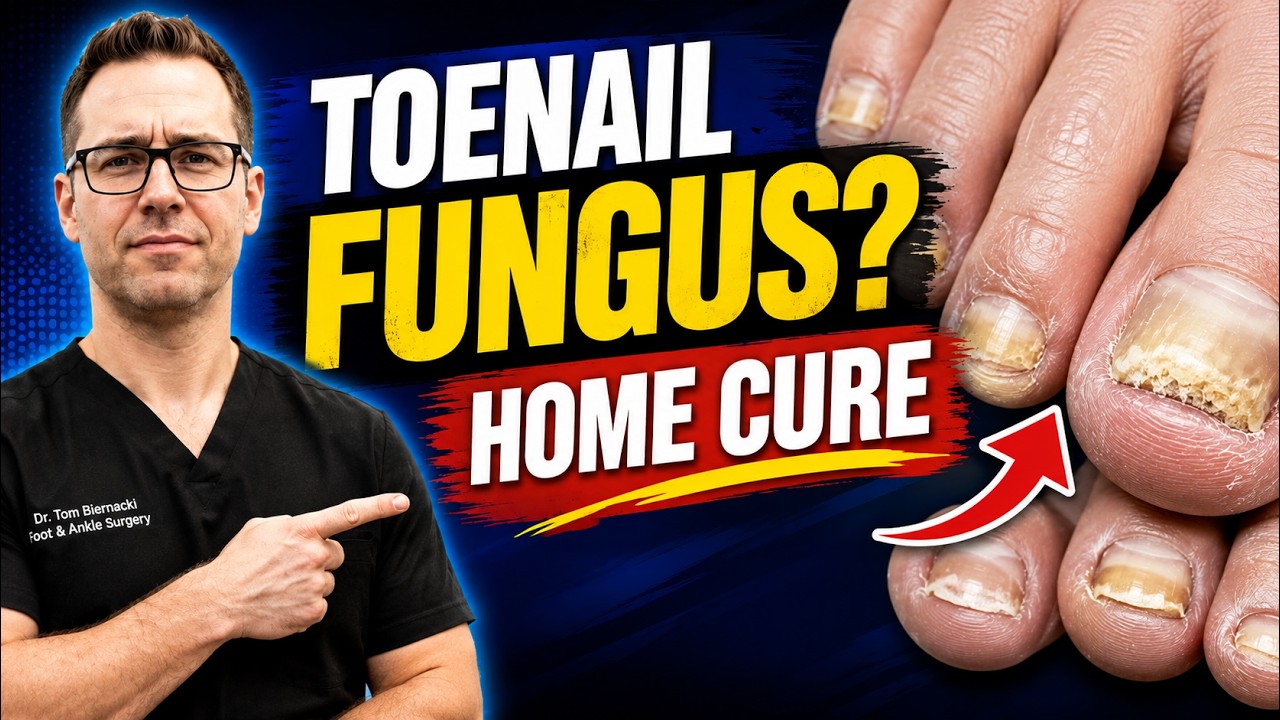
-
Set a realistic “progress” marker
For example, is new growth less yellow or less streaked at the nail base? Are the edges less ragged? Those are observable signs. -
Know when to stop and get checked
If the discoloration spreads, becomes painful, or you see changes that look like infection, continuing supplements can delay proper treatment.
Where biotin fits in
Biotin for nails is one of the most commonly discussed options, but it’s not a guaranteed fix for color changes. It may support nail integrity if brittleness is part of the picture. If your nail discoloration is primarily stain-related or infection-related, biotin can feel like buying time rather than solving the cause.
If you try any supplement, it helps to keep the rest of your nail routine consistent so you can interpret the result honestly.
Practical ways to support nail growth while you decide about supplements
Even if you’re considering nail supplements for discoloration, the day-to-day habits around the nail often determine whether you see improvement. I’ve watched people do everything perfectly with supplements and still struggle, simply because the nail environment stayed harsh.
Steps that usually make a difference
- Protect nails from repeated trauma (gloves for cleaning, careful habits around tools, avoiding aggressive manicures)
- Reduce staining exposure (limit frequent dark polish, choose gentler removal methods)
- Avoid soaking and harsh chemicals when possible, especially on nails that already look compromised
- Keep nails trimmed and edges smooth to prevent micro-tears that can worsen color changes over time
- Support overall intake with food rather than relying only on pills, since your nail is built from what you absorb and use consistently
If you do decide to try vitamins for nail health, these supportive steps help ensure the nail you’re growing is actually in a better condition.
When discoloration needs more than supplements
This is the part I don’t want to soften. Some nail changes should not be treated as a simple nutrition fix.
If discoloration is accompanied by pain, loosening of the nail, rapid progression, marked thickening, or signs that suggest infection, it’s worth getting a professional evaluation sooner rather than later. Supplements may still be supportive for general nail health, but they shouldn’t replace diagnosis when the nail looks like it might need targeted care.
A personal example: I once saw a client who had been taking multiple nail supplements for months, expecting the yellowing to fade. The new growth kept coming in similarly colored. When the nail was examined, the cause was not diet-related at all. Once the underlying issue was addressed, the cosmetic change followed because the nail was no longer being “recreated” under the same problem conditions.
So, are nail supplements worth it? Sometimes, yes, particularly when brittle, weak nails are part of your story. SupraNail customer review But if your nail discoloration has a clear trigger, a structural pattern, or red flags that suggest something active, supplements may offer comfort but not answers.
If you’re weighing nail supplements for discoloration, focus on alignment: match the supplement to the most likely cause, protect the nail while you wait for new growth, and don’t let “maybe it will improve” become an excuse to delay proper care.